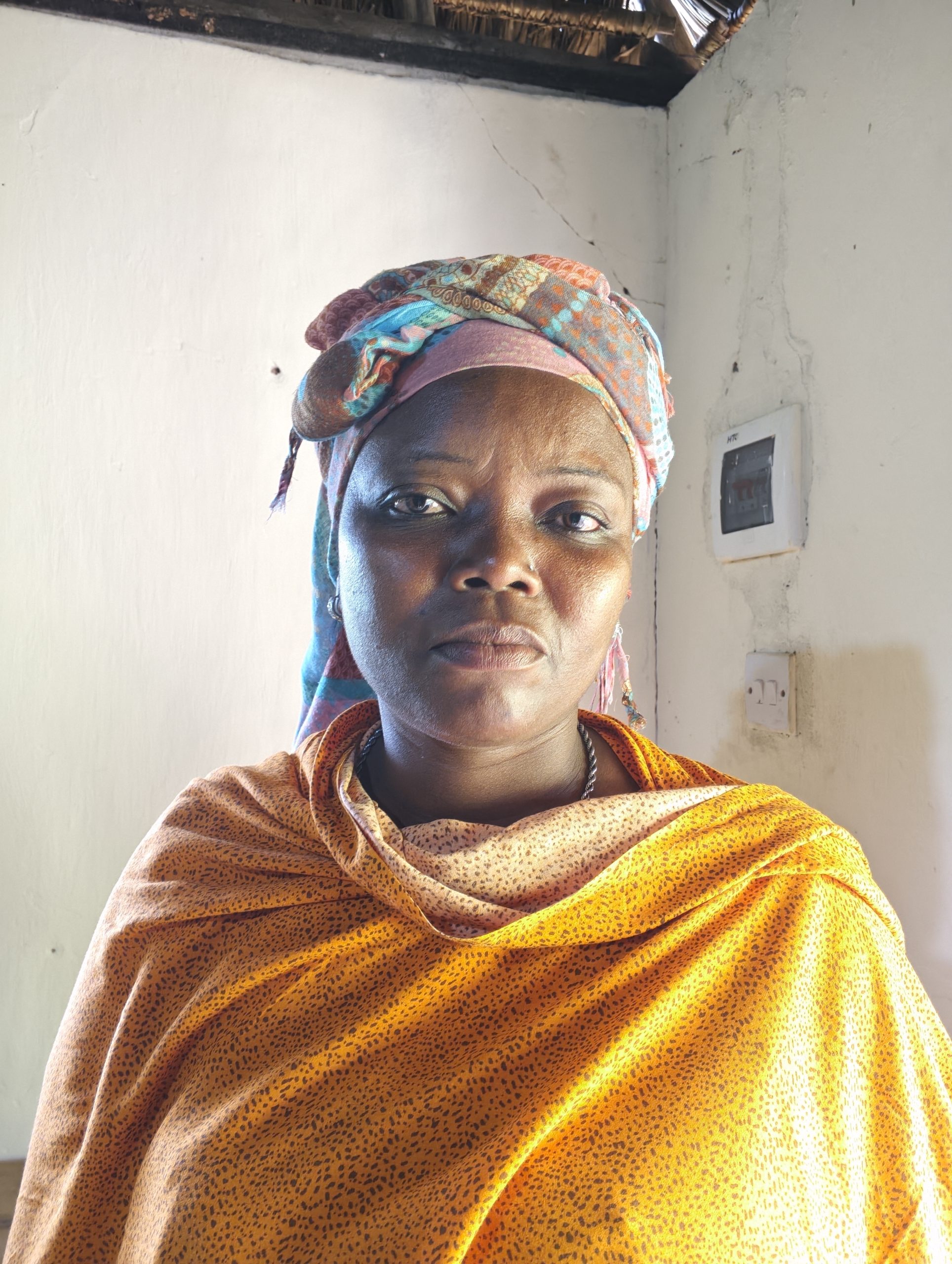
Elfrida Furaha
Elfrida hand-stitches our shoppers and floor cushions. It's work that puts food on the table and pays her children's school fees.
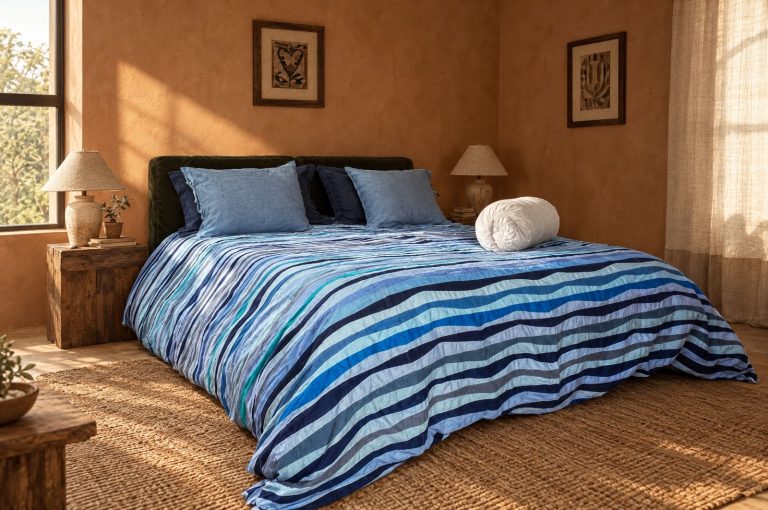
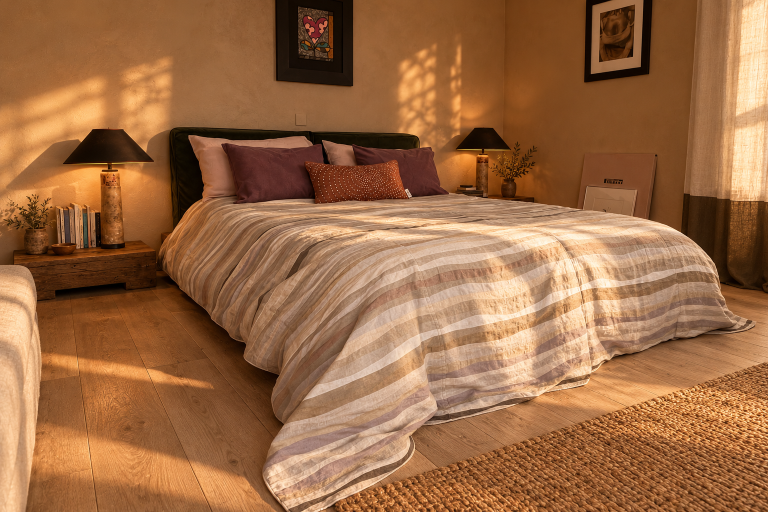
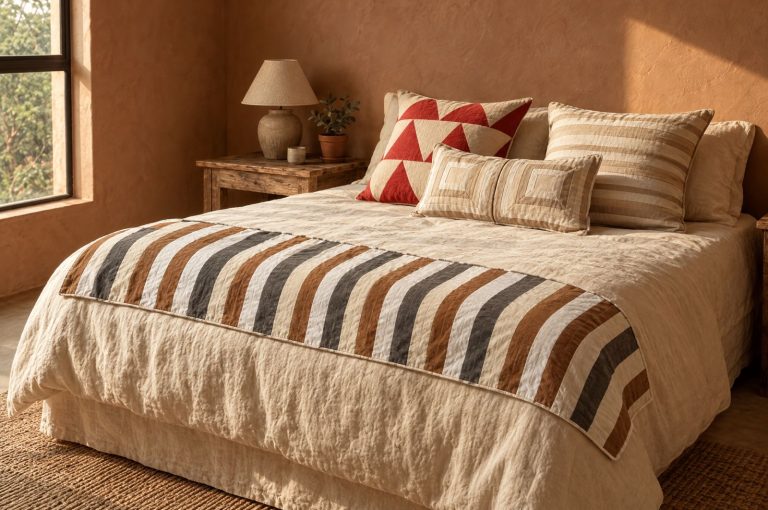
Every one of our pieces starts as something the fashion industry threw away. Ramissa turns Kenya's textile waste crisis into home décor.
Kenya receives hundreds of thousands of tonnes of second-hand clothing a year, and a lot of it never gets worn. It ends up in landfill, burned, piled up unsold, or washed into rivers and the ocean. Ramissa works inside this system. A group of coastal women in Takaungu take the good fabric still left — trousers and bedsheets especially — and turn it by hand into quality, unique home décor instead.
Kenya imported 230,535 tonnes of second-hand clothing in 2024, among the top five importers of used clothing anywhere in the world. They arrive as massive bales (mitumbas) and are destined for markets and informal shops across Kenya.
Not all of it is wearable. Researchers estimate that a significant share arrives damaged, unsuitable for Kenya's climate, or already worn through.
For the millions of Kenyans working in the mitumba economy, many of them women, the trade can be financially precarious. Buying a bale is a risk when some of its contents cannot be sold.
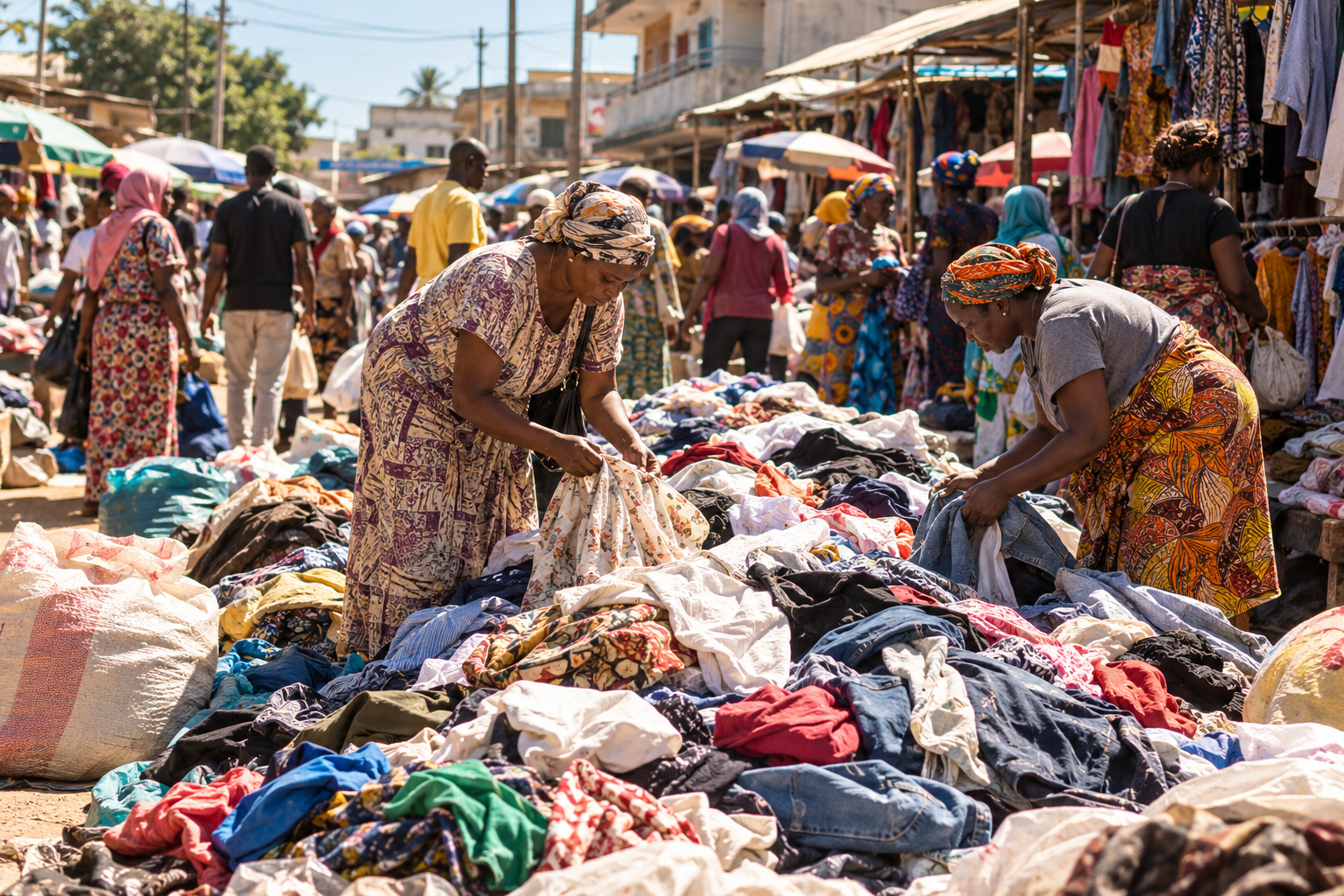
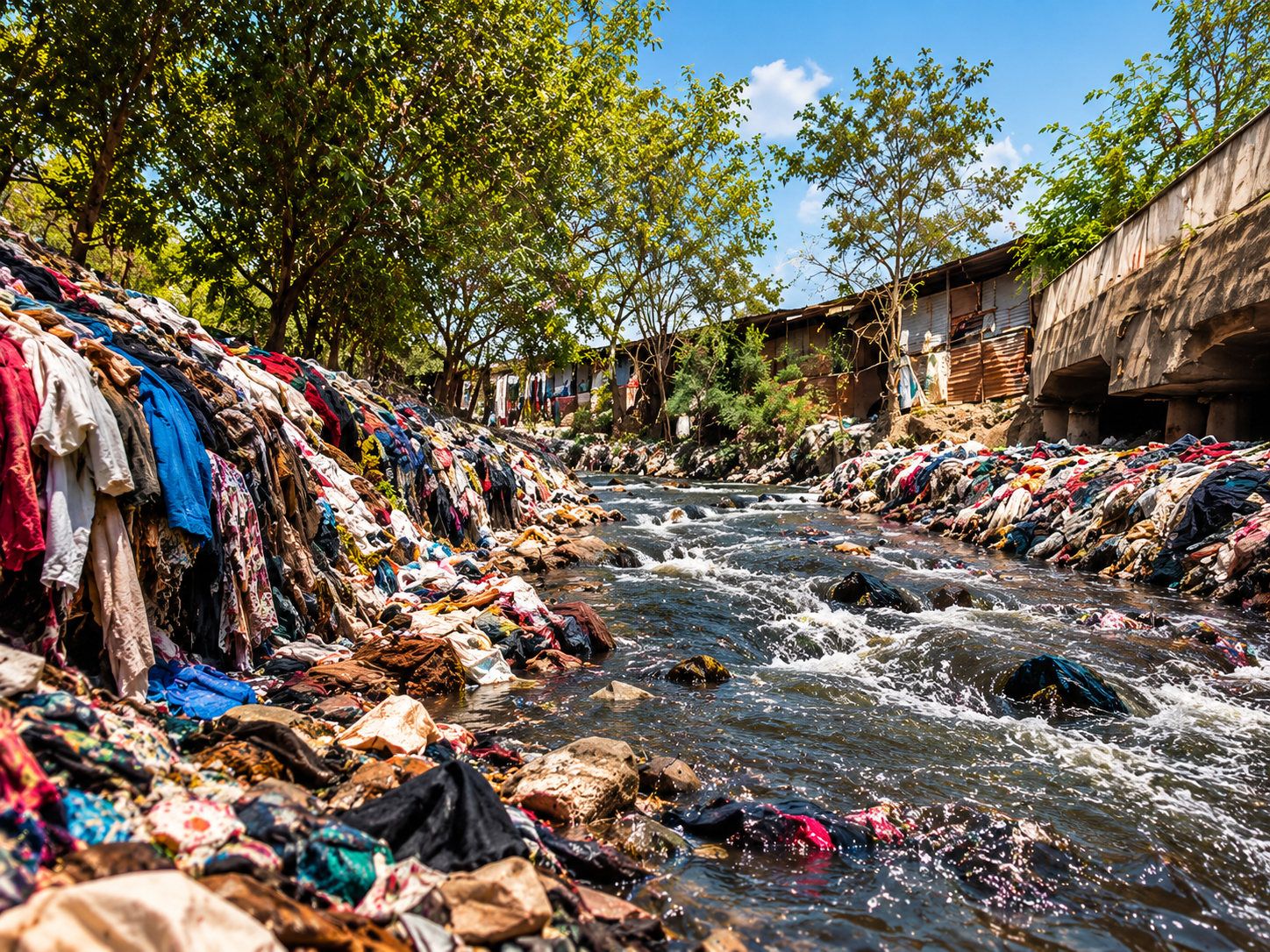
Some discarded clothing goes to landfill and official dumpsites. Some is burned. A lot simply piles up, unsold, at trading points and markets faster than anyone can move it.
On the coast, some of it ends up in the water. Research into Kenya's Indian Ocean waters has identified synthetic textile fibres among common forms of microplastic pollution, threatening marine ecosystems and coastal livelihoods.
This is the system Ramissa works inside. We source material from mitumba markets — trousers and bedsheets especially — and provide a group of women in the coastal community of Takaungu with a more reliable source of income.
They cut, sew and finish each piece of fabric by hand into the beautiful products you see for sale on our website. This is highly skilled work that reuses some of the excess textiles arriving in Kenya while paying women artisans a decent price for the finished piece.
We didn't invent the idea that Kenyan women can turn discarded textiles into something valuable. They already do it every day, often for a fraction of what the work is worth. Ramissa's job is to close that gap.
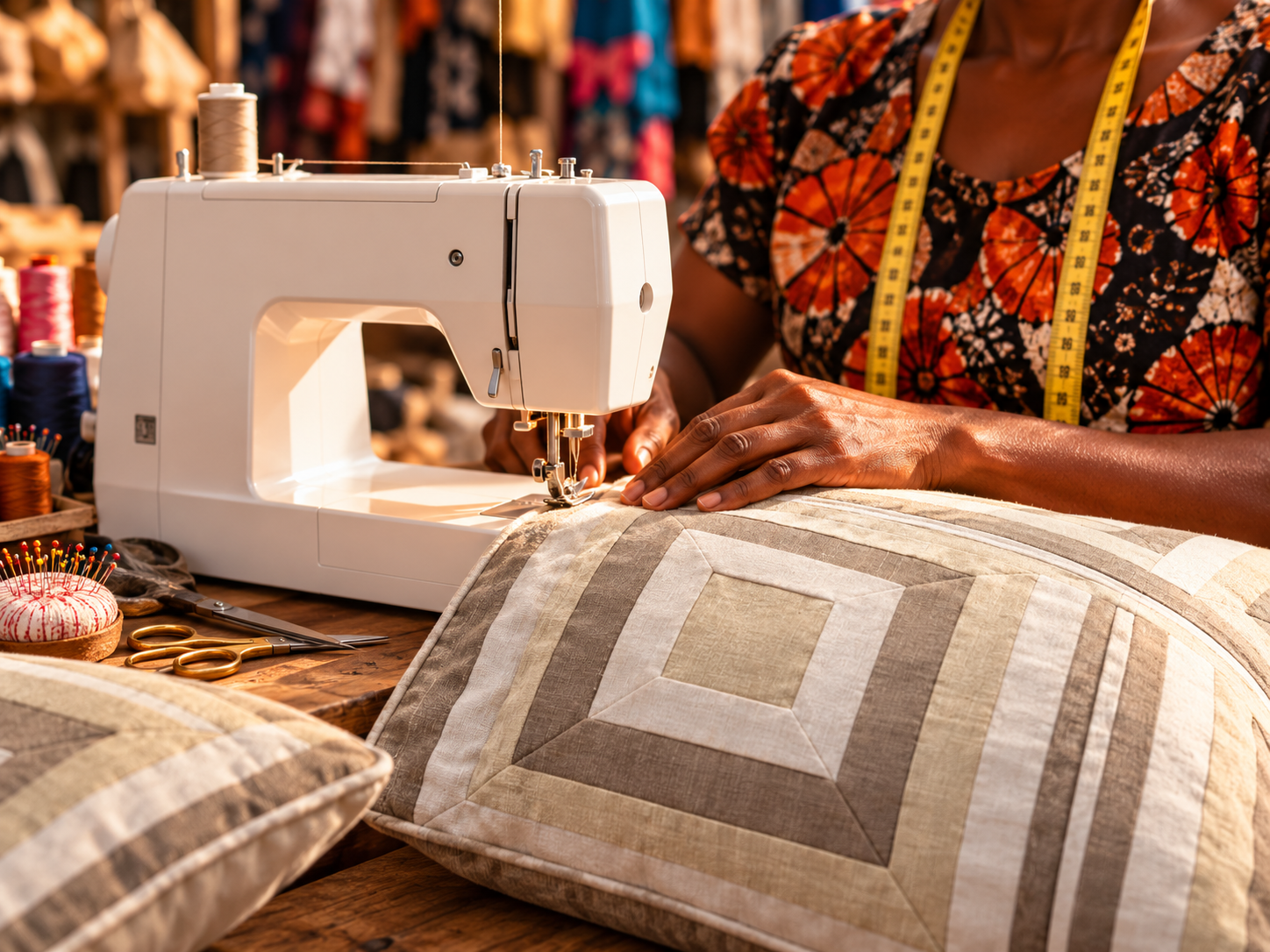
Every piece is made by skilled hands. Meet the women whose work transforms reclaimed textiles into something beautiful.
Elfrida hand-stitches our shoppers and floor cushions. It's work that puts food on the table and pays her children's school fees.
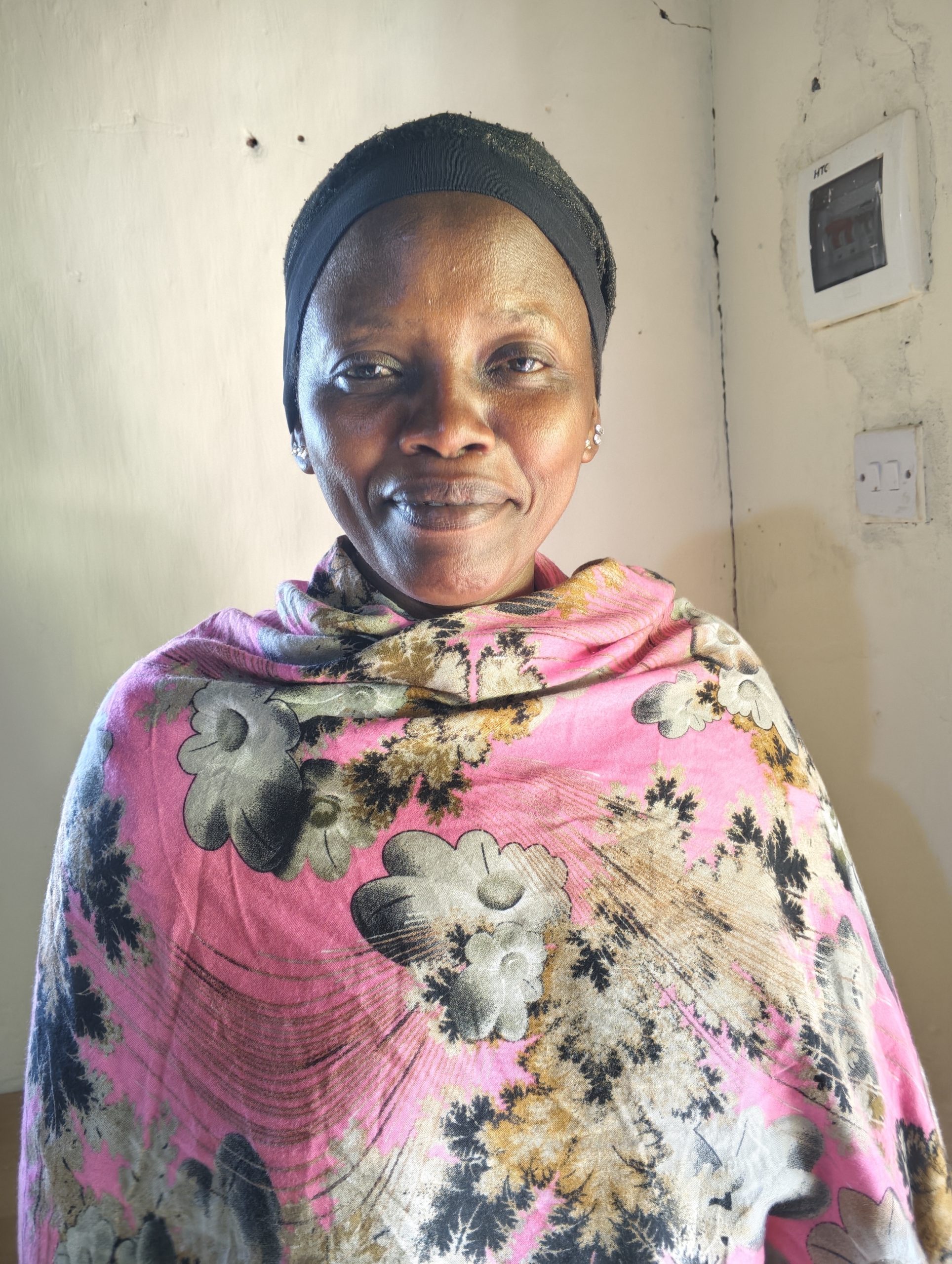
A single mother of three, Sofia hand-stitches our products and supervises her fellow artisans - work that covers all her family's needs.
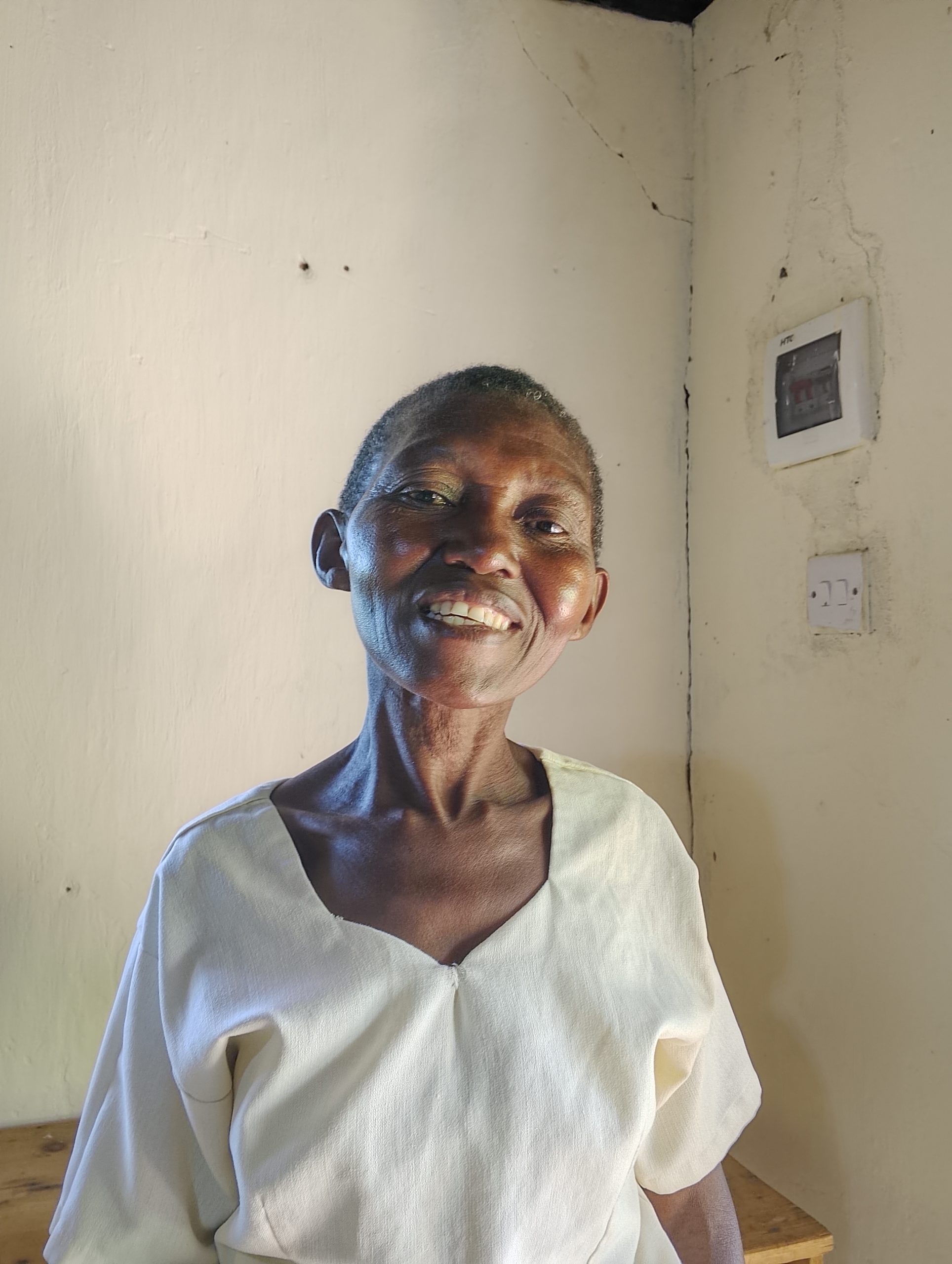
A mother of one, Priscilla cuts patterns and washes and irons the finished pieces - work that puts food on her table.
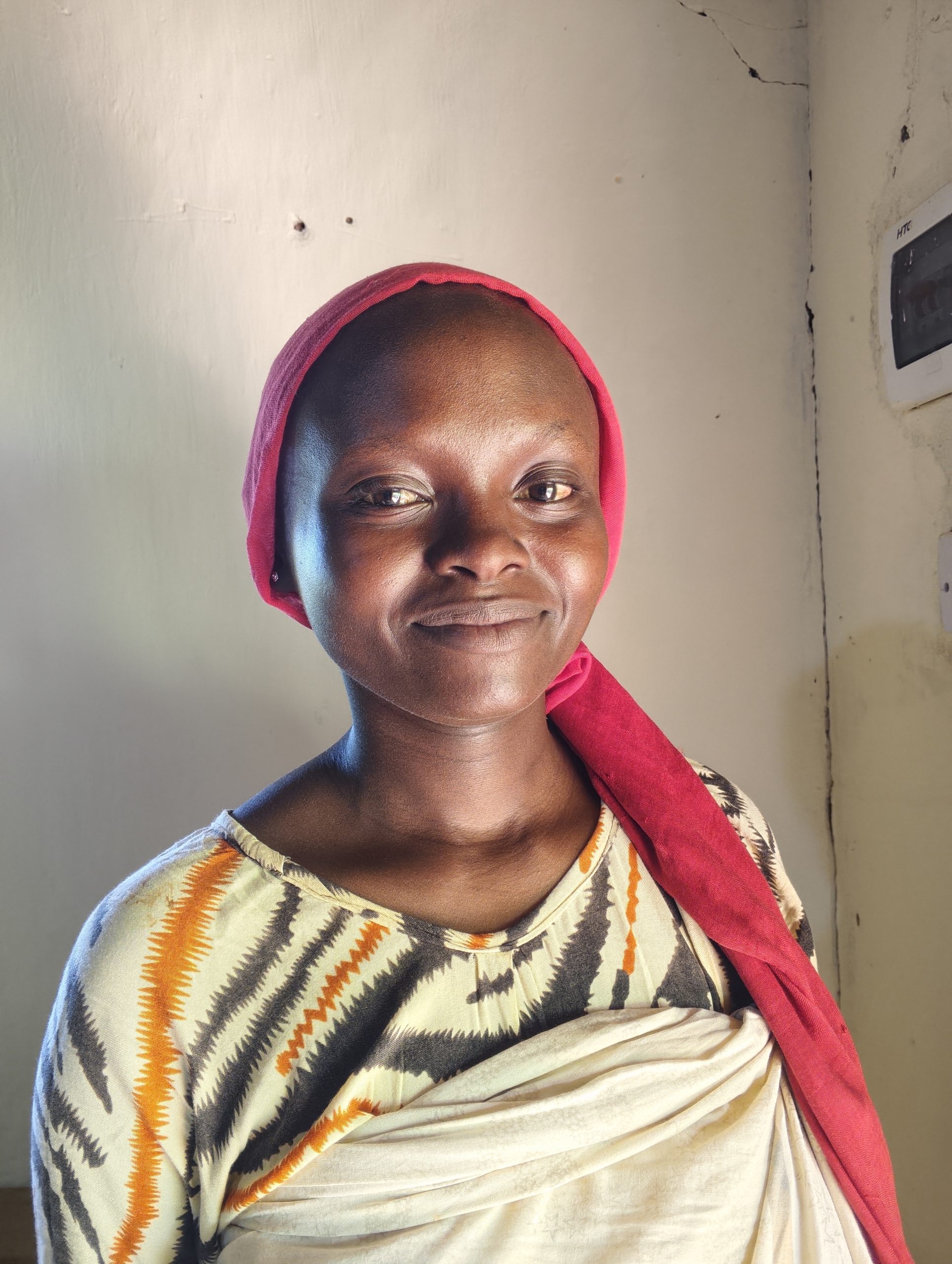
Zeinab cuts patterns and designs for Ramissa. The work helps her care for herself and her children.
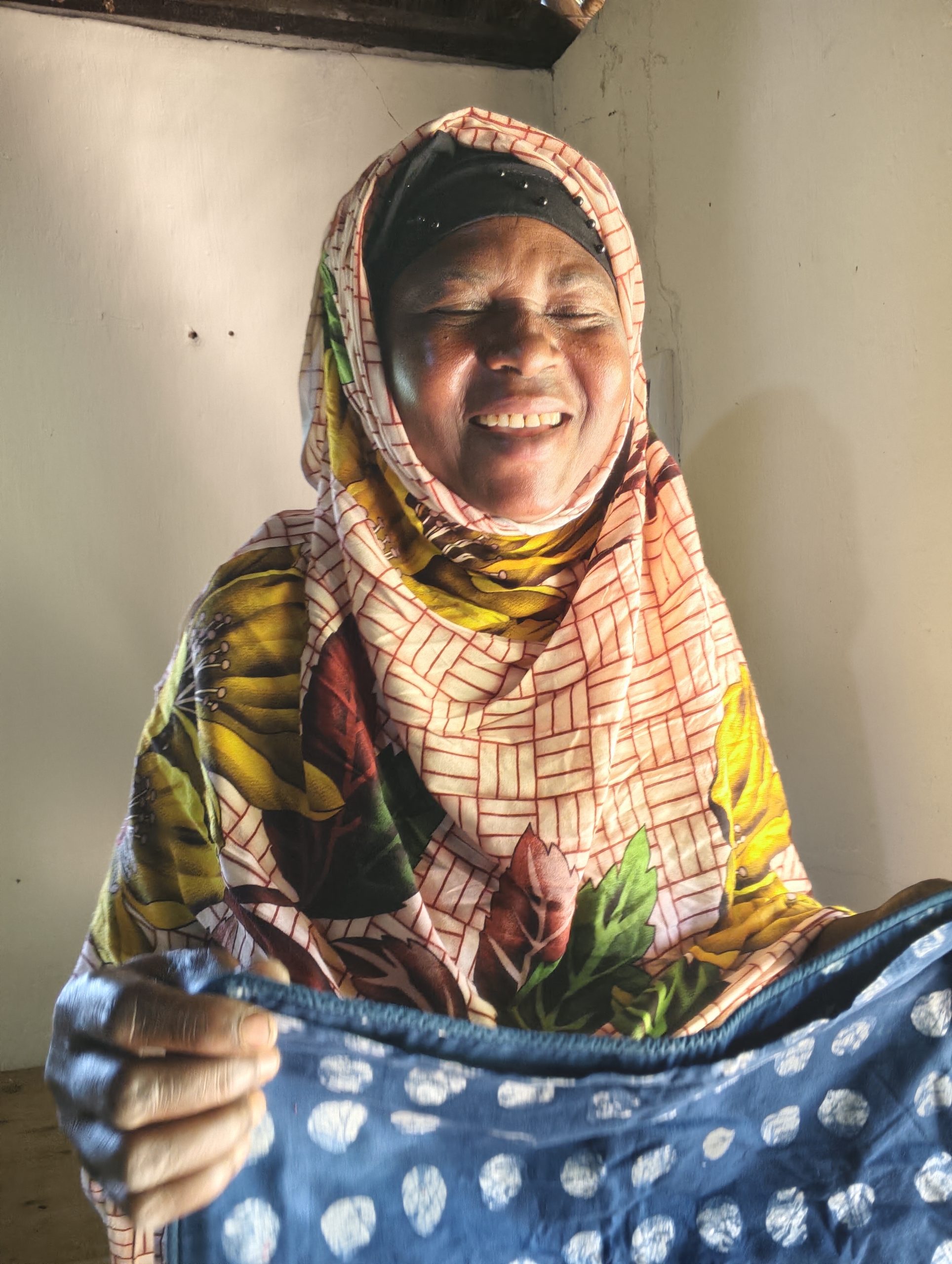
Mariam cuts patterns and designs for our products. It's work that helps her provide for her family.
The more we sell, the more textiles we divert from waste — and the more women have the opportunity to earn a decent income.